
Why Melbourne’s Locals Choose Us for Gas Ducted Heating Repairs
- ✔️ Same-Day Service Available: Please inquiry.
- ✔️ Upfront, Honest Quotes: Affordable & No hidden fees.
- ✔️ Experienced on older & modern models: Written warranty.
- ✔️ Solve problems fast: Fully Equipped, OEM Stocked Van
- ✔️ Licensed & Qualified: Compliant certificates_ Complete peace of mind.
- ✔️ Safety Tests: Not an extra, included as standard.
🔗 => See all suburbs we can service (A–Z) <= 🔗
📞 Make an enquiry now (text or call) on 0420 982 770
✅ Fix2QIK is a professional specialised in servicing all electronics models of ducted heaters manufactured from 2005.
🔥 If your ducted heater has an electronic control circuit, we’ve got you covered.
Contact us immediately if your gas ducted heating isn’t working or struggling to keep your home cozy. Issues like odd smells, weak airflow, or error codes could mean more than just discomfort—they might indicate serious safety concerns.
At Fix2QIK, we specialise in quick, accurate, and safety-focused gas ducted heating repairs, serving many suburbs in Melbourne’s southeast and nearby areas.
Whether your system is brand new or decades old, our skilled team has the expertise, tools, and local knowledge to restore warmth to your home—often on the same day.
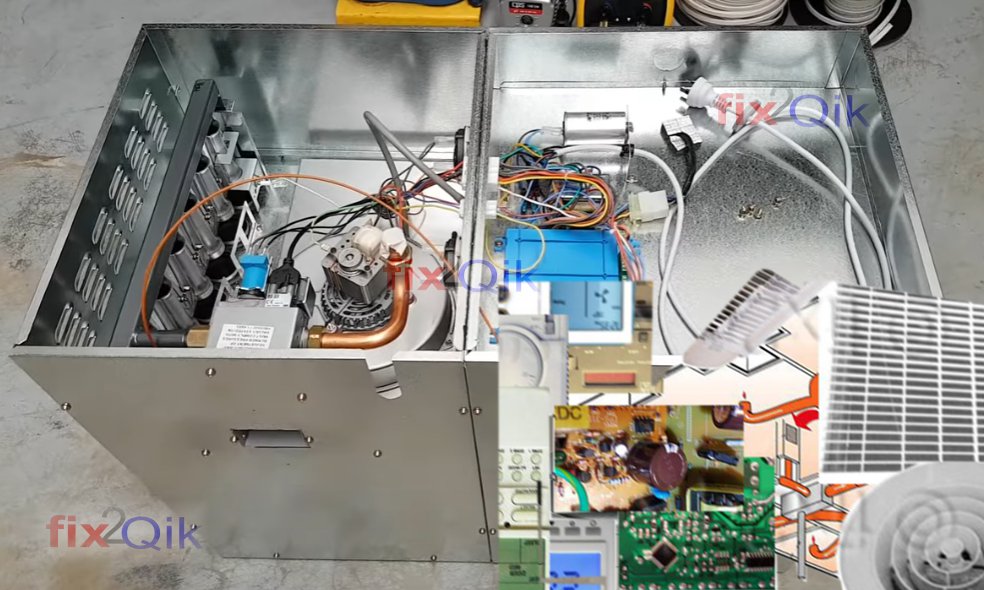
🛠️ Why Choose Fix2QIK for Gas Ducted Heating Repairs?
We understand the unique characteristics of homes throughout Melbourne’s South East and near-by areas, from Glen Waverley to Dandenong, Keysborough to Berwick and Narre Warren, or Cranbourne to Pakenham or Officer, and everywhere in between. Our local technicians bring expert knowledge and experience to every job.
📞 Booking now (text or call): 0420 982 770
👉 What to Expect from a Gas Ducted Heating Diagnostic & Fault-finding Call
- Thorough Diagnosis:
- We inspect all major components—motors, fans, electronics, thermostats, and ductwork’s sensing thermistor—to accurately identify faults, especially intermittent issues in electronic systems. Newer units (built after 2003) rely on advanced Electronic Control Modules and sensor networks to manage the heating process. That’s why having a Fix2QIK technician—trained and equipped to repair these heating systems on-site—is essential for a fast, affordable, and lasting solution.
- Safety Testing & Gas Vent Compliance:
- We carry out safety inspections in line with industry standards and manufacturer specifications—checking key components like control boards, fan motors, flue sensors, and pressure switches. These tests verify the correct operation of the combustion and exhaust system, ensuring hazardous gases (like carbon monoxide) are properly vented
- Transparent Quotation:
- You’ll get clear, honest advice on repairs, costs, and options. No surprises.
- Fast, Qualified Repairs:
- Genuine parts, fully licensed technicians, all work guaranteed.
- How I Work:
- I diagnose, repair, and test the heater—not just swap parts and hope for the best.
- You get an honest, upfront quote before any part changed.
- All work is insured, and you get printed invoices—no “cash only” deals that vanish when you need a warranty. just proper work with proper paperwork, so you’re covered and your system’s safe.
- No upsells, ever. If your heater is fixable, I fix it. If not, I tell you why.
✔️ What to Tell Me When You Call:
So I can solve your problem fast, please tell me:
- What error code or fault are you seeing? (Flashing lights, beeps, or blank screen?)
- What brand/model is your heater? (Brivis, Braemar, Bonaire, etc.)
- What have you tried already? (Reset, replaced batteries, checked power?)
- When did it start acting up? (Sudden or getting worse over time?)
- Is anyone else’s work involved? (Has another plumber or sparkie looked at it?)
📞 Call for quick help (or text), Now: 0420 982 770
🔥What is Gas Ducted Heating?
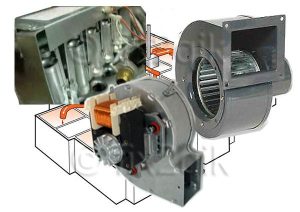
Gas ducted heating uses a central gas heater (the main unit is found outside your house next to the wall, or in the roof, sometimes is positioned under the floor) to warm air, which is then delivered through a series of ducts to multiple rooms. Modern systems are efficient, responsive, and often controlled by digital thermostats. Older units may be manually controlled but are just as important to keep safe and efficient.
Common brands: Brivis, Braemar, Bonaire, Vulcan, Pyrox, Climate Technologies, Omega, Stadt.
🧰 Common Problems with Gas Ducted Heaters
- No heat or very weak airflow
- Heater starts but shuts down early
- Cold spots in some rooms
- Unusual noises or smells (burning, gas, or dust)
- High energy bills without more usage
- Error codes (e.g., “E1,” “E2,” flashing lights)
- Controller not responding, won’t ignite
- Pilot light problems or intermittent faults
- CO alarm triggers (urgent—safety issue!)
–
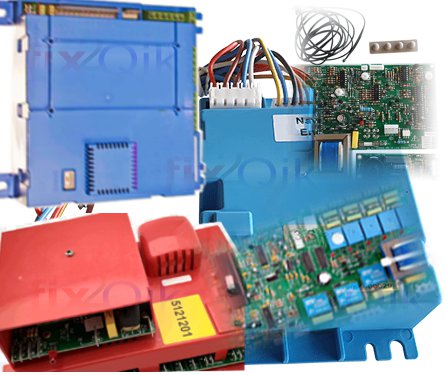
Most gas ducted heating repairs often come down to issues with the electronic or electrical parts. In newer heaters (built after 2003), the gas valve’s a sealed unit — it often ends up being replaced rather than repaired.
Book now (text or call):
0420 982 770
✅ Brands We Service—And Common Faults
Brivis: PCB faults, control panel errors, fans failing to start, aging ductwork, zoning motor malfunctions, and CO issues in some StarPro, MPS, and certain Wonbat systems.
Braemar: Ignition lockouts, flame sensor failures, “lockout” modes, CO concerns in older models.
Bonaire / Vulcan: Blower motor noise, ignition issues, heat exchanger cracks, control board problems.
Omega / Pyrox / Climate Technologies: PCB or electrical motors and sensors are used in heaters commonly found in Melbourne’s southeastern homes. Parts are available, but it’s important to check for heat loss and duct leaks.
Rinnai / Kaden: Advanced digital controls, new efficiency standards, regular service keeps warranties valid.
🔧 Troubleshooting Tips Before You Call
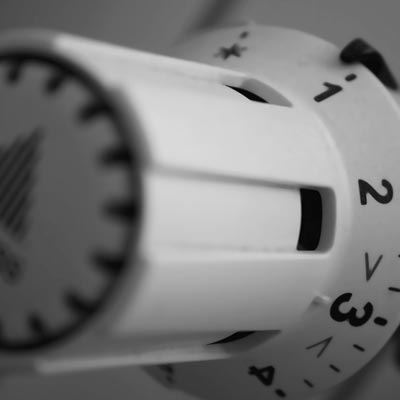
- Check your thermostat: Batteries, settings, or display errors can cause system shutdowns.
- Inspect vents: Make sure all are open and unblocked (kids’ toys, furniture, dust).
- Listen for changes: Any new sound—buzzing, rattling, or whistling—may indicate a problem.
- Pilot light: If you can see it, is it lit? If not, follow safety procedures or call a pro.
📞 Call the Expert (or text), Now: 0420 982 770
💬 Frequently Asked Questions
Q: What signs show your heater needs repair?
A: Cold air, strange noises, error codes, less efficient, can’t reach temperature set point, short cycling, burnt, smelly, or frequent shutdowns all signal it’s time to call a professional.
Q: How soon can you come out?
A: We offer same-day gas ducted heater repairs across all Melbourne south-east and the adjacent suburbs, including some after-hours, Saturday and Sunday: (Please inquiry). The service van restocking daily after 3pm to get ready for the next day servicing.
Q: Can you fix any brand or age?
A: We service all major brands and many older units—if parts are available and the system is safe, we’ll fix it.
Q: What is the: Diagnostic Call-Out Fees?
A: We charge an affordable diagnostic fee — covering travels, onsite diagnosis, and often even a small part is included.
Q: How much does heater repair cost in Melbourne South-East Suburbs?
A: Most repair jobs fall between $70–$299 + Part (Feb-2024), depending on the issue. We always offer upfront advice and written quotes before starting any work. Pricewise: Our OEM parts often supplied the same or even cheaper than do-it-yourself.
Fix2QIK total cost is comparable to DIY, but licensed and insured.
Q: What if my heater is very old?
We’ll advise on whether repair is still a good investment—or if it’s time to consider an upgrade for safety and efficiency.
A thorough survey is carried out, and the replacement is carefully planned to utilise our trusted network of tradies and engineers. Any costs previously charged are reasonably reimbursed.
Q: The spare parts are genuine?
A: We only use tested, genuine components—especially for fragile electronic parts—never reused parts just for a shoddy, quick sale.
we offer warranties up to 12 months on parts and 12 months labour for your peace of mind.
Q: Payment Methods?
A: We use Westpac EFTPOS terminals on-site — no risky apps, no unsecured links, no record kept on our side. Your data stays safe with you. Alternatively, you could pay with PayID.
🤝 Why Locals Trust Fix2QIK
- Registered business – ABN: 40010599400. Trading since 2001. Fully Insured
- Fix2QIK is a team of licenced professionals:
- L084241 (RAC01_ Refrigeration Mechanic)
- D15929 (Class 1_ Fault Finding Electrician)
- A24341 (Advanced Electronic Technician)
- 115197 (VBA Plumbing Contractor)
- 110960 (VBA Plumbing Subcontractor)
- And other formally recognised qualifications in the HVAC-R Industry.
- We issue relevant compliant certificates.
- All subcontractors directly involved in your job are appropriately insured.
- Clear Quote, Affordable, Quick Repairs, Honest advice.
📍 Local Service Areas Covered
Melbourne’s South Eastern suburbs covered by Fix2QIK Heating repairs:
Berwick, Boronia, Aspendale Gardens, Ashwood, Carrum Downs, Clayton, Clyde, Dandenong, Doveton, Endeavour Hills, Ferntree Gully, Glen Waverley, Chadstone, Scoresby, Hallam, Hampton Park, Cranbourne, Lynbrook, Narre Warren, Beaconsfield, Springvale, Keysborough, Noble Park, Mount Waverley, Mulgrave, Wheelers Hill, Rowville, and most of the surrounding suburbs.
👉 Not sure if you’re in our area? Contact us, or Just Call Us — There’s a good chance our service van will be in your suburb either tomorrow or even today.
. Need more heating servicing options? please explore our 🔗 Heating Service Melbourne Page.
. Curious about who I am, the heaters I can fix, the repair costs, or need to check out the FAQ section? Follow this link 🔗 to Visit our Heating Repairs Melbourne page for all the details.
- *T&C apply- please enquiry.
- Fix2QIK services are designed to deal directly with property owners and registered landlords only. If you are making an enquiry, you must be authorised to represent such owners.
- Disclaimer:
Brand names and trademarks belong to their respective owners, and being used here for descriptive purposes only.
🛠️ For the Technical Reader:
In-Depth Guide to Gas Ducted Heating Systems

The Evolution of Heating: Efficiency, Safety, and Electronics
The basic principle of warming air with gas isn’t new, but the methods of control, distribution, efficiency, safety monitoring (especially for Carbon Monoxide – CO), temperature sensing, and zoning have been revolutionised by electronics.
A properly functioning electronic control system ensures:
- No CO spillage: If the combustion fan and pressure switches are working as designed.
- Optimised combustion: Gas isn’t burnt “too much” or “too little,” preventing overheating or insufficient warmth. This reliance on electronics underscores the importance of specialised skills, proper diagnostic equipment, and experience when dealing with modern heaters.
The Dangers of DIY and Unqualified Trades:
The complexity of these electronic systems, coupled with the presence of mains voltage (240VAC), makes heater repair a job strictly for qualified professionals.
- It’s Not Just Only Plumbing: Although gas is part of the system, in modern gas ducted heaters, it’s largely the electrical and the electronic control boards, sensors, and safety circuits that often cause faults. That’s why you need a technician with electrical training and the right diagnostic tools. Experience matters—but true expertise is what saves you time, money, and repeat breakdowns.
– - High Voltage Hazard: Electrical circuits in these heaters carry 240VAC. Understanding electrical safety is paramount.
- Currents over 10mA (10 milliamperes) can cause a painful shock.
- At 0.2A (200mA), death is a common outcome.
- Up to 0.5A is almost certainly lethal, often accompanied by severe burns.
Electrical burns are excruciatingly painful.
–
- Victoria’s Regulations: Here in Melbourne, Victoria, a specific “Fault-Finding” license is required for individuals working on fixed electrical equipment running on mains power like 240VAC. Furthermore, after major electrical component replacements (like a main control module, fan motor, or compressor energised by power over 50VAC or 120VDC), an Electrical Safety Compliance Certificate (ESV Certificate of Electrical Safety) is mandatory.
– - Don’t Open the Cover: Attempting to “fix” things yourself, or allowing an untrained individual to do so, is illegal and highly dangerous. This is especially true if the heater is in a confined space or tightly screwed shut. We’ve seen too many instances where covers are left open, compromising safety for everyone. Property damage or injuries resulting from unlicensed work are often not covered by insurance. Do not DIY, no matter what you’re told.
Tech update July 2025:
- Common winter 2025- ignition faults on Brivis StarPro SP4 include: heater cycles past “Flame Prove” on Lo-Module display, then relay clicks off when room fan starts. Error 30, 35, or 60, 74 may appear—related to electronic module fault, fan motor issue, or gas valve pressure.
- If electronics check out fine, a cracked heat exchanger is the likely cause—usually at the plastic connector collar. Another sign: the duct thermistor rarely climbs above 38°C.
- A burnt plastic smell often noticed at startup or during fan ramp-up when this crack is present. Use a small inspection camera to check the plastic collar on the heat exchanger to confirm the problem.
- Bonaire Rhino MB5: Shuts off 3 to 4 minutes after the flame is established, often without displaying an error code on the remote controller (wireless thermostat). Check for intermittent contact in the duct thermistor; resolder or replace the thermistor if necessary. If the issue persists, test and repair the control module (which houses the digital pressure switches on the main PCB), test and inspect the wiring loom. For the safest and most effective solution, send the required parts to a workshop for inspection and diagnosis (call 0412067647. Tech support- for instructions). A field technician needs to test all electrical and electronic components using our custom-made test jigs and an oscilloscope to ensure they function properly in line with Fix2QIK’s troubleshooting guidelines. Test and issue electrical safety compliant certificate after the job done.
- Understanding the Risks of a Ducted Gas Heater in a Sealed Roof Space
- For Open flue type heaters, eg, Wombat models
- How it Works (and Where the Problem Arises): Ducted gas heaters work by burning gas to create a flame. This flame heats a heat exchanger – a metal component. A “room motor” fan then blows air, drawn from the conditioned living spaces, over the outside of this hot heat exchanger. This warmed air is then distributed back into your rooms through ducts.
- The Critical Design Flaw and Known Problems: The core issue lies with the open flue design and its installation in a sealed roof space:
- 1- Carbon Monoxide (CO) Risk from “Positive Pressure”:
- Open flue heaters rely on natural airflow to safely expel combustion byproducts, including dangerous carbon monoxide (CO), through a flue.
- When installed in a sealed roof space that lacks proper ventilation, air cannot infiltrate to mix and equalize pressure. On windy days, this can create “positive pressure” within the roof space.
- This positive pressure can force the toxic CO-laden exhaust gases back down the flue and into your home, rather than safely expelling them outdoors. This is a severe risk of carbon monoxide poisoning.
- This issue directly relates to installation competency – open flue heaters are not designed for or safe in such sealed environments.
- 2- Oxygen Depletion and Stale Air Risk:
- All recirculating heaters, including ducted gas or refrigerated reversed cycle systems, warm the air within your conditioned spaces. Healthy indoor environments require a continuous supply of fresh air from outside to replace stale, oxygen-depleted air.
- If your home is excessively sealed, and there’s no adequate provision for fresh air intake (known as “makeup air”), you risk re-breathing the same air repeatedly.
- Over time, this leads to a dangerous reduction in oxygen levels and a buildup of exhaled carbon dioxide (CO2 – not to be confused with CO). While not CO poisoning, this can lead to symptoms like drowsiness, headaches, and in severe cases, suffocation due to lack of oxygen.
- Again, ensuring proper ventilation and makeup air is a crucial part of installation competency.
- 1- Carbon Monoxide (CO) Risk from “Positive Pressure”:
- For Open flue type heaters, eg, Wombat models
Important Safety Information for Your Home’s Heating and Cooling Systems
When it comes to your home’s heating and cooling, understanding the potential dangers is crucial. Be aware that installing an open-flue gas heater in a sealed roof space creates a hazardous environment due to the risk of carbon monoxide backflow and insufficient fresh air, both of which stem from incorrect installation. Additionally, the flammable refrigerant (R32) in many reversed-cycle air conditioners is toxic if inhaled and becomes deadly if burnt with compressor oil. Keep these critical risks in mind:
Critical Risks: Sealed Roof Heaters & HVAC Systems
Installing an open-flue gas heater in a sealed roof space is extremely dangerous. This setup creates a hazardous environment primarily due to:
- Carbon monoxide (CO) backflow: Without proper ventilation, the toxic exhaust gases can be drawn back into your home instead of safely venting outside.
- Insufficient fresh air: A sealed space leads to oxygen depletion, risking health issues from re-breathing stale air.
Both of these are serious consequences of incorrect installation practices.
It’s crucial to understand that a CO test using a calibrated CO meter is only accurate at the time of testing. No one can guarantee an absolute no-risk of CO spillage in the future, as weather conditions change and heater components can fail.
For your safety, most modern (from 2003, MPS models) & newer heaters feature electronic circuits, and sensors to monitor the exhaust process. Ensuring these components function properly is critical. Fix2QIK specialises in and is expert at checking and repairing these vital components.
For all types of heaters (and even gas cooktops), we strongly recommend adding another layer of safety to safeguard your family: install CO alarms. These are readily available at hardware stores like Bunnings, with some affordable models around $30 each. Mounting two of these alarms correctly can provide effective 24-hour monitoring in your home.
(The Technical section will be moved to a new category of its own for ease of updating.)